


.svg)
U.S. Immigration News
USCIS May Be Pulling Back on Adjustment of Status Memo
Early reports suggest some USCIS field offices may be scaling back implementation of a May 21 policy memo that instructed officers to treat adjustment of status as a last resort rather than the default path to a green card. According to the American Immigration Lawyers Association (AILA), some attorneys report that officers are no longer asking memo-related questions during interviews, while others have received approvals in cases where those questions were previously raised. USCIS has not formally changed the policy, and practices may still vary by field office.
Court Strikes Down Trump’s $100,000 H-1B Fee
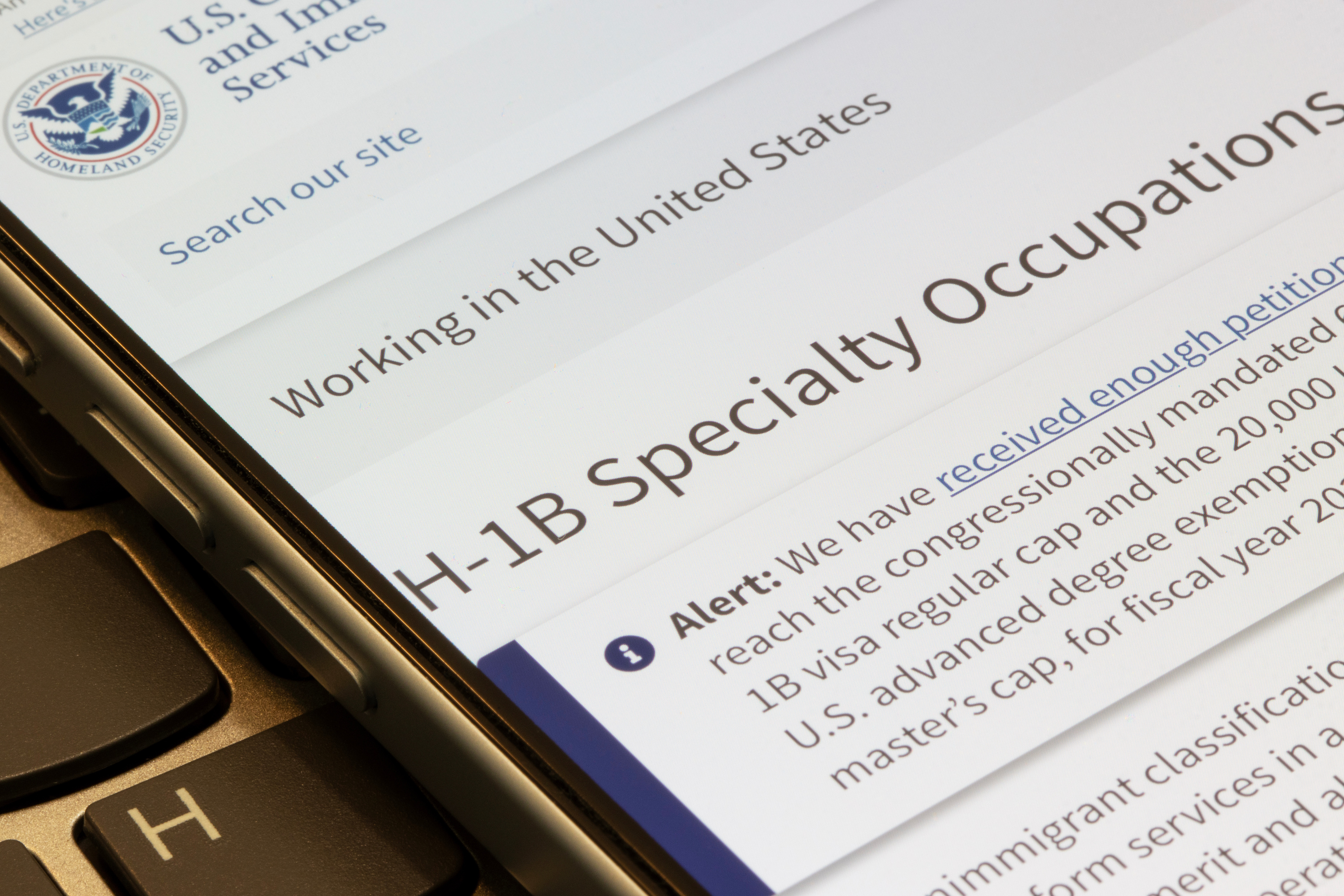
A federal judge in Massachusetts has struck down the Trump administration’s controversial $100,000 fee on certain new H-1B visa petitions, ruling that the executive branch lacked authority to impose the charge without congressional approval. The court found that the fee amounted to an unlawful tax and vacated the policy nationwide. The administration has already filed a notice of appeal, ensuring the legal fight will continue. Other federal courts have reached different conclusions, and the proclamation establishing the fee is also set to expire in September.
U.S. to Test $750 Fee for Faster Visa Interviews
The State Department plans to launch a pilot program on July 1 that would allow some tourist and business visa applicants to pay an additional $750 fee for a faster interview appointment. Under the program, eligible B-1/B-2 applicants at select U.S. embassies and consulates could secure an interview within 10 business days, subject to availability. The fee would be optional and would not affect visa approval decisions. Including the standard application fee, the total cost would be $935. The pilot is scheduled to run through the end of 2026.
Trump Signs $70 Billion Immigration Enforcement Bill
President Trump has signed a nearly $70 billion immigration enforcement package into law, securing funding for U.S. Immigration and Customs Enforcement (ICE), U.S. Customs and Border Protection (CBP), and the U.S. Department of Homeland Security (DHS) through September 2029. The law provides $38 billion for ICE, $26 billion for CBP, and $5 billion for DHS operations. The measure passed Congress largely along party lines.
{{cta-component-horizontal-aligned}}
.svg)
.png)
Not sure where to start?
We’ll guide you.
Not sure where to start?
We’ll guide you.

.png)

Related Articles


Start your journey
Get in contact with us to get a demo of Boundless and see how we can help you with your strategy to hire international talent.
.svg)
.avif)