

.svg)
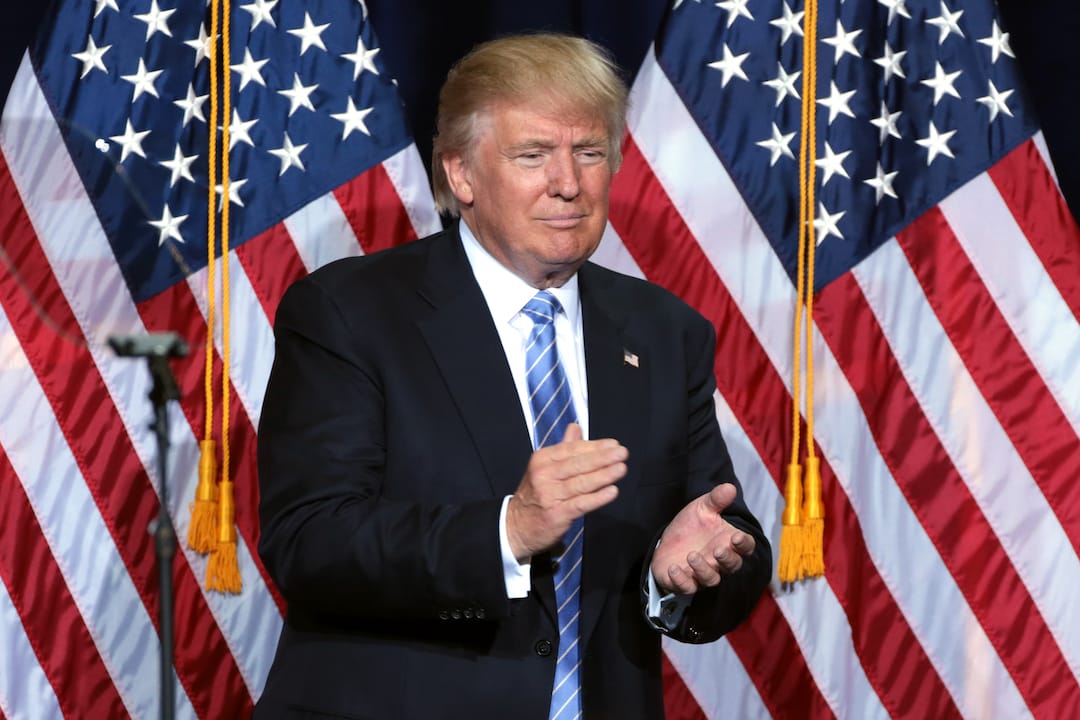
President Donald Trump has issued a new proclamation doubling the size of the U.S. travel ban, expanding restrictions from 19 countries to 39. The updated policy, which takes effect January 1, blocks or limits visa access for millions of people and adds sweeping new restrictions on individuals traveling on Palestinian Authority–issued documents.
The White House said the countries on the expanded list show “serious failures in screening and information-sharing,” and that tighter entry rules are necessary to “protect the United States from individuals we cannot properly vet.”
If you’re from one of the newly affected countries — or have family or employees who are — here’s what the updated ban means.
Who Is Affected by the Expanded Travel Ban?
The proclamation now places 39 countries under full or partial restrictions. As before, the policy draws a line between full suspensions and limited visa categories, but the list is significantly larger and spans Africa, the Caribbean, the Middle East, and the Pacific.
Fully Banned Countries
Nationals from the following 17 countries are barred from entering the United States on both immigrant and nonimmigrant visas:
- Afghanistan
- Myanmar (Burma)
- Chad
- Republic of Congo
- Equatorial Guinea
- Eritrea
- Haiti
- Iran
- Libya
- Somalia
- Sudan
- Yemen
- Burkina Faso new
- Mali new
- Niger new
- South Sudan new
- Syria new
The proclamation also fully restricts travel for people holding Palestinian Authority–issued travel documents, preventing both temporary visits and immigration.
Partially Restricted Countries
Fifteen countries have been added to the partial restriction list, joining those already subject to limited visa bans. Travelers from these countries now face blocks on receiving immigrant visas and on certain nonimmigrant categories (including B-1/B-2, F, M, and J visas):
Newly added partial-restriction countries:
- Angola
- Antigua and Barbuda
- Benin
- Côte d’Ivoire
- Dominica
- Gabon
- The Gambia
- Malawi
- Mauritania
- Nigeria
- Senegal
- Tanzania
- Tonga
- Zambia
- Zimbabwe
Countries that were already partially restricted and remain on the list:
- Burundi
- Cuba
- Laos (now moved from partial to full ban)
- Sierra Leone (also moved to full ban)
- Togo
- Turkmenistan (partial restrictions lifted for nonimmigrant visas only)
- Venezuela
Under partial restrictions, some nonimmigrant work visas may still be issued, but consular officers have been instructed to sharply limit their validity.
What’s Changed From the June 2025 Travel Ban?
The new proclamation is the largest expansion of travel restrictions since 2017. The list of affected countries has more than doubled, growing from 19 to 39 and covering regions that were previously untouched. Several countries that once faced only partial limits — including Laos and Sierra Leone — are now fully barred, and the new list leans heavily toward African nations, where U.S. officials say gaps in identity documents, overstay rates, and repatriation cooperation make reliable screening difficult.
{{tip-component-1}}
The policy also adds restrictions on people traveling with Palestinian Authority documents, blocking both temporary travel and U.S. immigration.
President Trump said in a statement the U.S. “cannot rely on governments that cannot confirm who their travelers are,” adding that the United States “must raise its entry standards to keep Americans safe.”
What the Ban Means for You
If you’re from an affected country:
- Valid visas and green cards remain usable. You may still travel, though expect extra screening at airports and land borders.
- New visa applications in banned categories will be denied starting January 1.
- Visa renewals may no longer be possible, especially for students, tourists, and family-based applicants.
- Some exceptions apply, including for diplomats, athletes, certain humanitarian cases, and individuals whose entry is deemed in the U.S. national interest.
- Family reunification may still be possible in some narrow categories with strong documentation.
If you’re an employer:
- Employees from affected countries may face delayed or denied visa appointments.
- Start early on renewals or extensions for workers currently in the U.S.
- Consider alternate visa categories (O-1, TN, E-3, L-1, H-1B if eligible) for roles traditionally filled by individuals from restricted countries.
- Avoid international travel for employees whose visas may be impacted; reentry is not guaranteed even if a worker holds a valid visa.
- Provide documentation that clarifies why an employee’s travel or continued presence serves a U.S. national interest — this may help in discretionary exceptions.
Action Steps You Can Take Now
For Immigrants and Families
- Do not travel internationally if your visa is close to expiring or if you need to renew soon.
- Gather strong identity and civil documents now, especially if applying for an exception. Examples: birth certificates, national IDs, military records, prior passports, school records.
- If you already have a visa, plan for long border wait times and enhanced screening. Bring all supporting paperwork.
- Consult a trusted immigration attorney if you may qualify for a national interest exception.
For Employers
- Audit your workforce to identify employees who may be affected.
- File extensions well before expiration, especially for workers who cannot risk travel.
- Document business necessity and specialized skills for any worker who may need a waiver or exception.
- Provide alternative work arrangements, including remote work, if international assignments are no longer viable.
Boundless will continue tracking this policy and providing updates as more information becomes available. If you believe you may be affected, consult a qualified immigration attorney or reach out to trusted legal resources.
{{cta-component-center-aligned}}

.svg)
Only a limited set of exceptions apply. Green card holders, existing visa holders, and individuals traveling on diplomatic, international organization, or certain athlete visas are exempt. Some humanitarian and adoption cases may still qualify for case-by-case waivers. The updated proclamation also removes the prior exception for Afghan Special Immigrant Visa applicants.
.png)

.png)

Related Articles



Start your journey
Get in contact with us to get a demo of Boundless and see how we can help you with your strategy to hire international talent.
.svg)
.avif)