

.svg)
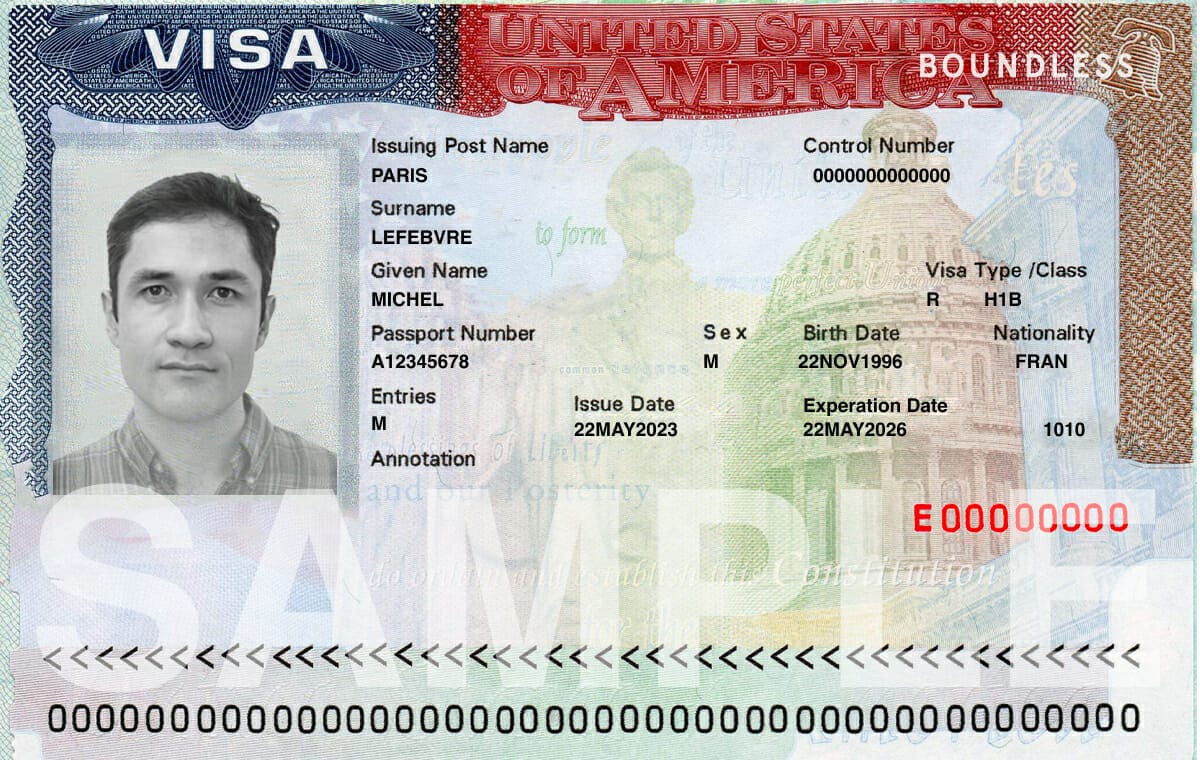
Not being selected in the H-1B cap process doesn't have to mean the end of your path to working in the United States. Depending on your background, employer structure, and nationality, several alternative visa categories may be available to you right now.
This guide covers ten of the most common alternatives. Each visa has its own eligibility requirements, timelines, and trade-offs, so it's worth understanding which ones match your situation before deciding where to focus your energy.
{{tip-component-1}}
First, a note on timing
Each year, USCIS opens H-1B cap registration in March, with selections typically announced by the end of the month. The petition filing window usually runs from April through June.
If your registration still shows “Submitted,” you may remain in the pool for additional selection rounds later in the year.
If you were not selected, this is the moment to act. Many alternative visas require preparation time, especially if your current work authorization is set to expire.
Which alternative fits your situation?
Before diving into each visa, use this as a quick guide:
Cap-Exempt H-1B (No Lottery Required)
Some employers, including universities, nonprofit organizations affiliated with universities, and certain research institutions, can sponsor H-1B visas that are not subject to the annual cap.
Best for: Candidates open to working in academia or research settings
Why it works: No lottery and year-round filing
Key limitation: Limited to specific types of employers
L-1 intracompany transferee visa
Best for: Companies with international operations transferring employees to the U.S.
The L-1 visa allows companies to move employees from a foreign office to a U.S. office. To qualify, the employee must have worked for a related entity abroad for at least one year in the past three years in a managerial, executive, or specialized knowledge role.
Key advantage: No annual cap or lottery
Key limitation: Requires a qualifying corporate structure and prior overseas employment
O-1 extraordinary ability visa
Best for: High-performing professionals with strong, documented achievements
The O-1 is available to individuals with a high level of accomplishment in fields like science, business, education, or the arts. Applicants must show sustained recognition. For example, awards, media coverage, or significant contributions to their field. You do not need to be world-famous to qualify. Many skilled professionals meet the threshold with documented career achievements they may not have fully recognized as qualifying evidence.
Key advantage: No cap, flexible for top talent
Key limitation: High evidentiary bar and documentation-heavy
F-1 STEM OPT extension
Best for: STEM graduates currently working in the U.S.
If you’re on Optional Practical Training (OPT), you may qualify for a 24-month STEM extension if your degree and role are eligible and your employer uses E-Verify.
Key advantage: Buys time to stay employed and re-enter the H-1B process
Key limitation: Only available for qualifying STEM roles and employers
{{newsletter-component}}
J-1 trainee or intern program
Best for: Early-career professionals or recent graduates
The J-1 includes structured training and internship programs:
- Trainee: Up to 18 months; requires experience or a degree
- Intern: Up to 12 months; for students or recent grads
Key limitation: Some participants face a two-year home residency requirement
B-1/B-2 visitor visa
Best for: Short-term stay while planning next steps
Changing to B-1/B-2 status may allow you to remain in the U.S. temporarily.
Important:
- No work authorization
- Not a long-term solution
Best used as a bridge, not a strategy. You can learn more about changing status from an H-1B visa to a B-1/B-2 tourist visa in Boundless’ guide.
E-2 treaty investor visa
Best for: Entrepreneurs or employees of treaty-based companies
The E-2 allows individuals from treaty countries to work in the U.S. based on a substantial investment in a business they will direct and develop.
Key advantage: Renewable and flexible
Key limitation: Requires treaty nationality and real capital at risk
E-3 visa for Australian citizens
Best for: Australian professionals in specialty occupations
The E-3 is similar to the H-1B but has a separate cap that is rarely reached.
Key advantage: No lottery and often faster processing
Key limitation: Limited to Australian citizens
TN visa for Canadian and Mexican citizens
Best for: Professionals in eligible roles under the United States–Mexico–Canada Agreement (USMCA)
The TN visa covers a defined list of occupations such as engineers, scientists, and teachers.
Key advantage: Fast processing and renewable indefinitely
Key limitation: Only available for listed professions
H-1B1 for Chilean and Singaporean citizens
Best for: Professionals from Chile or Singapore in specialty occupations
The H-1B1 is similar to the H-1B but has a separate cap and is generally less competitive.
Key advantage: Lower demand and faster access
Key limitation: Does not support dual intent in the same way as H-1B
What to do next
If you weren’t selected in the H-1B process, the most important next step is to focus quickly on the options that actually fit your situation.
- Confirm your current visa status and work authorization timeline
- Identify 1–2 realistic alternatives from the list above
- Move quickly. Many of these options require preparation and employer coordination
If you’re unsure where to start, it’s worth reviewing your case with an immigration expert.
{{cta-component-horizontal-aligned}}
.svg)
.svg)
.png)
Need help choosing the right path after the H-1B lottery?
Our team can help you evaluate your options and build a clear plan based on your role, employer, and timeline.
Need help choosing the right path after the H-1B lottery?
Our team can help you evaluate your options and build a clear plan based on your role, employer, and timeline.

.png)

Related Articles




Start your journey
Get in contact with us to get a demo of Boundless and see how we can help you with your strategy to hire international talent.
.svg)
.avif)